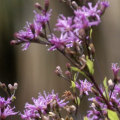
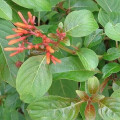
Outdoor learning environments play an important role in early childhood development by encouraging exploration, creativity, and physical activity. Incorporating native plants into daycare landscapes creates opportunities for children to connect with nature while participating in educational experiences. Native plants are naturally adapted to local climates, soil conditions, and ecosystems, making them valuable additions to outdoor classrooms. By introducing diverse vegetation, childcare facilities can transform ordinary playgrounds into interactive learning spaces that support environmental awareness, sensory exploration, and curiosity about the natural world.
Supporting Environmental Education and Awareness
Native plants provide opportunities to teach young children about local ecosystems, wildlife, and environmental conservation. Daycare facilities such as Ladybird Academy of Dr Phillips represent early childhood education settings where thoughtfully designed outdoor spaces can complement classroom learning. Teachers can introduce activities involving plant identification, seasonal changes, and observation of insects and birds. These experiences help children understand relationships between living organisms and their surroundings. Encouraging hands-on exploration also develops observation skills and strengthens appreciation for nature.
Encouraging Sensory Exploration and Cognitive Development
Outdoor gardens featuring native plants create stimulating environments where children can explore different colors, textures, shapes, and natural scents. Sensory activities encourage curiosity while supporting cognitive development and coordination. Teachers can organize supervised nature walks, leaf comparisons, and simple gardening projects to introduce scientific concepts. Counting flowers, comparing plant sizes, and identifying patterns also connect outdoor exploration with early mathematics and language development.
Promoting Biodiversity and Wildlife Habitats
Native vegetation supports local biodiversity by providing food and shelter for beneficial insects, birds, and pollinators. Incorporating suitable flowering plants and shrubs can help children observe wildlife interactions within a controlled outdoor environment. These observations introduce basic ecological concepts and demonstrate the importance of protecting natural habitats. Educators should select child-safe, non-toxic plants and consider potential allergens, insects, and other safety concerns when designing outdoor learning areas.
Reducing Landscape Maintenance and Resource Consumption
Once established, native plants often require less irrigation, fertilizer, and intensive maintenance than poorly adapted ornamental varieties. Their suitability for local environmental conditions can contribute to more sustainable landscaping practices. Reduced maintenance demands may also help childcare facilities manage landscaping expenses while maintaining attractive outdoor spaces.
Encouraging Physical Activity and Cooperative Learning
Gardening activities allow children to practice coordination, teamwork, and responsibility. Watering plants, observing growth, and participating in supervised planting projects encourage active engagement and cooperation among classmates.
Strengthening Connections Between Children and Nature
Regular exposure to natural environments can encourage children to develop positive attitudes toward outdoor activities. Exploring native plant gardens provides opportunities for relaxation, discovery, and imaginative play.
Supporting Sustainable Early Childhood Education
Integrating native plants into daycare landscapes combines environmental responsibility with meaningful educational opportunities. Thoughtfully designed outdoor spaces help children develop curiosity, creativity, and an appreciation for local ecosystems.
Building Lasting Environmental Awareness
Early experiences with native plants can inspire lifelong interest in conservation and sustainable practices. By incorporating nature into daily learning, daycare programs help children develop foundational environmental knowledge while supporting their overall growth and well-being.